
The Business Traveler’s Guide to Packing and Caring for Bespoke Suits
For the modern gentleman, business travel is often an unavoidable part of professional life. While airports, meetings, and changing climates pose logistical challenges, none can be quite as frustrating as arriving at your destination to discover your finely tailored suit is wrinkled, misshapen, or otherwise compromised.
At Mond of Copenhagen, we believe that a bespoke suit should look as impeccable on the road as it does at home. With careful packing techniques and proper garment care, it is entirely possible to maintain your suit’s shape, drape, and elegance while travelling. This guide offers essential advice to ensure your bespoke wardrobe remains a reflection of your commitment to quality and style—even thousands of kilometres from home.


Why Proper Packing Matters for Bespoke Suits
A bespoke suit represents significant investment in craftsmanship and fabric. Unlike off-the-rack garments, bespoke pieces are cut to your precise measurements, featuring carefully structured shoulders, chest canvassing, and hand-finished details. Improper packing can crush these components, leading to deep creases, fabric distortion, or even permanent damage.
For a man who values his appearance, knowing how to pack and care for bespoke garments is as crucial as choosing the suit itself.
-
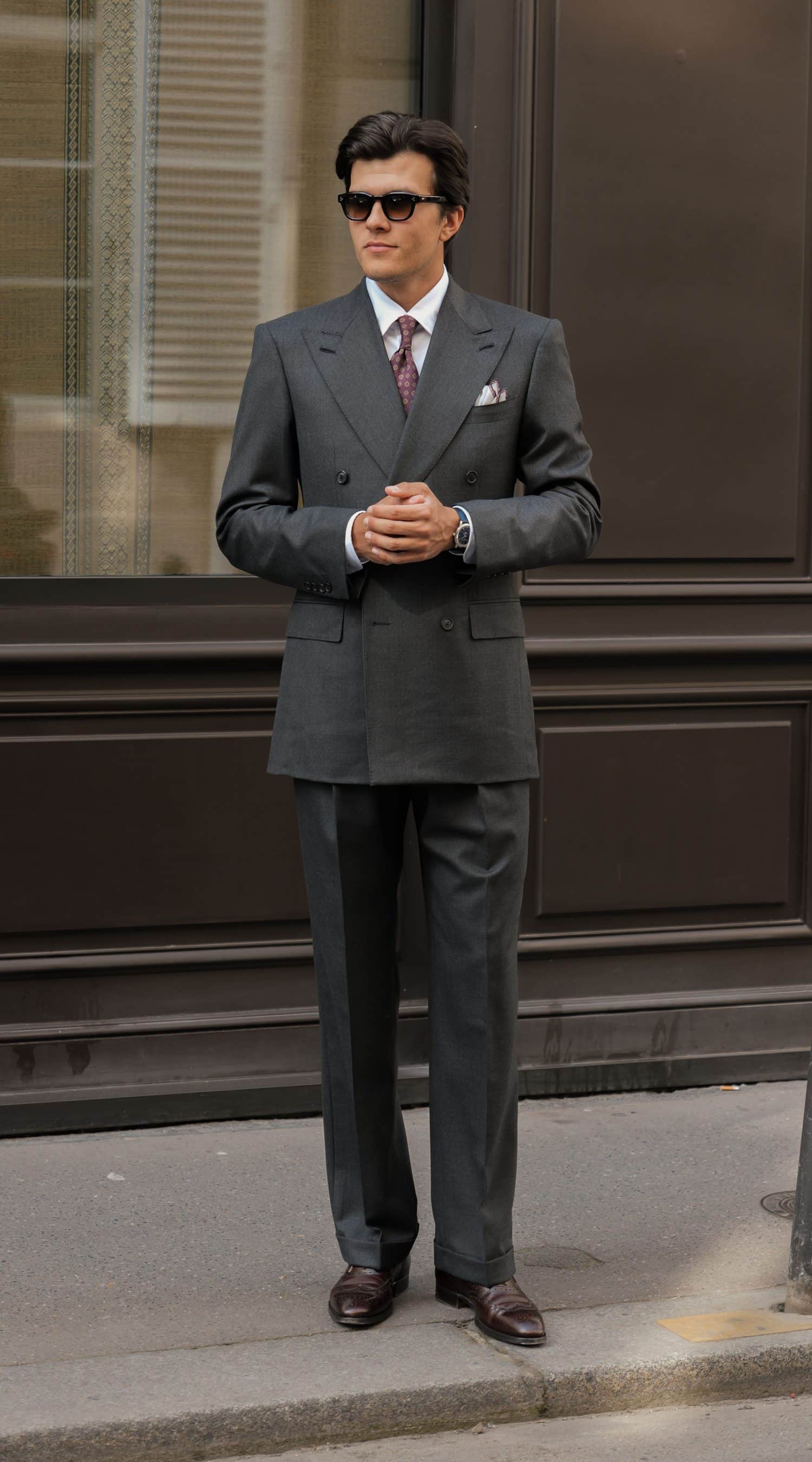 1.689 €
Understated yet elevated, the Grey Wool² Suit combines the softness of Super 150s wool with the structure of a 350g weave. Its versatile tone and natural drape make it a go-to for both business and casual sophistication.
-
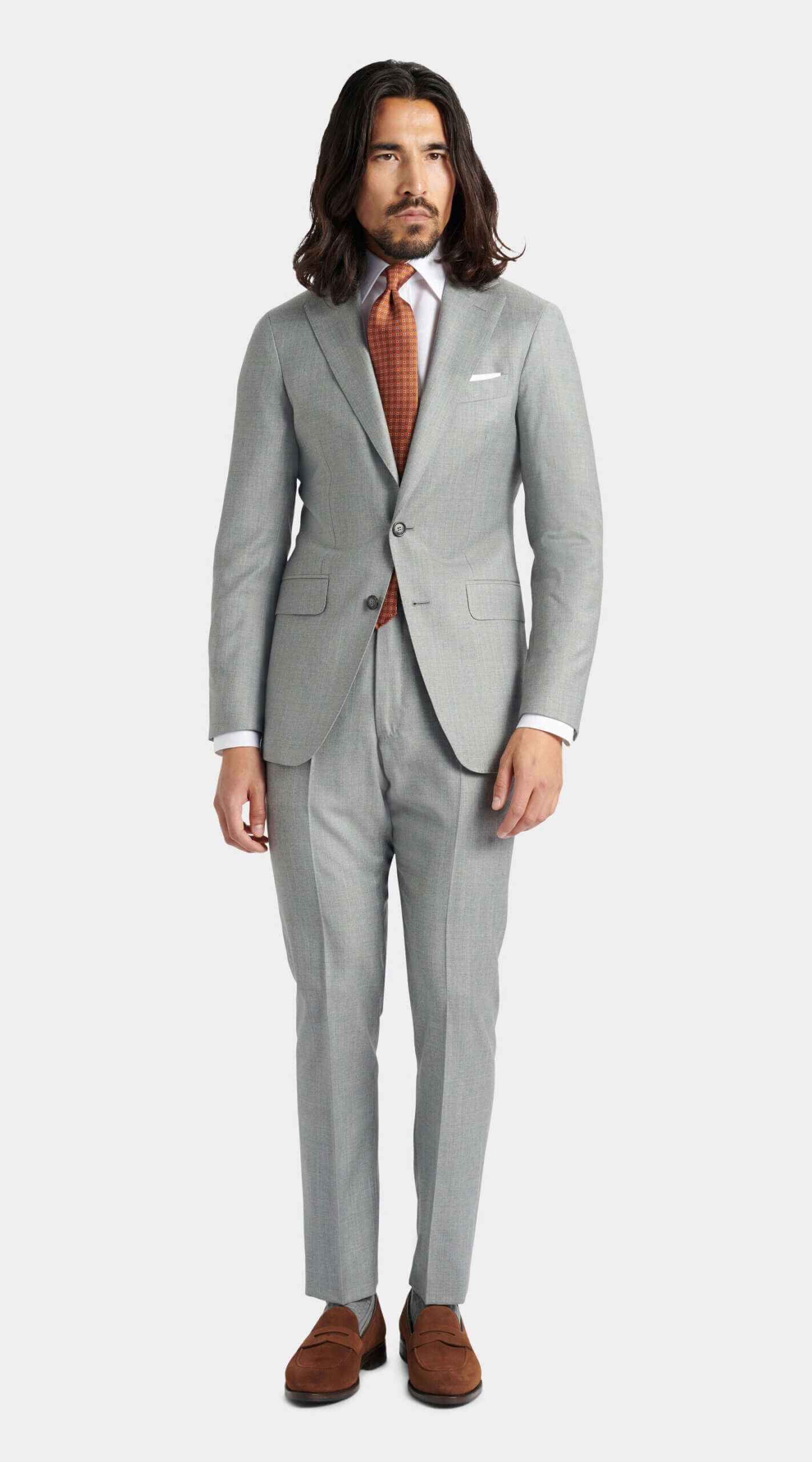 839 €
839 €This suit is made to fit your body perfectly, and are made from light grey fabric that will make you look your best.
-
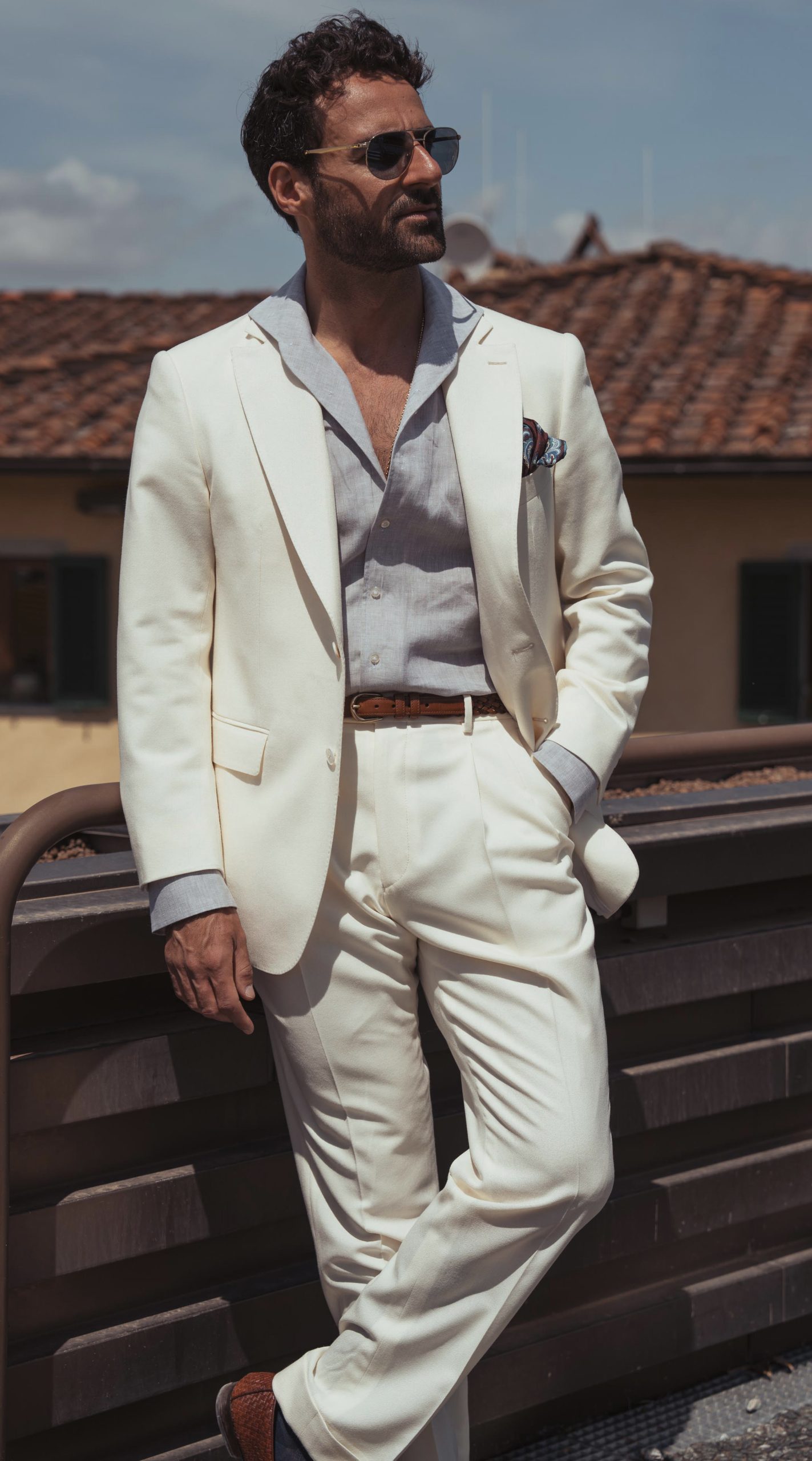 1.069 €
This is our Offwhite 4-ply suit worn by Giorgio Giangiulio at Pitti Uomo. The suit is made in an outstanding offwhite 4-ply high twist fabric from Lanificio Rogna. 4-Ply means that the fabric is coarser and has more texture, which plays beautifully on the hazy off-white color. Booth colour and materiality make this the perfect suit for warm weather. We’ve created this suit strikingly simple; with our casual preset. The flap pockets and trouser cuffs tone down the formality a notch making this suit ideal for summer festivities.
A 4-ply high twist is a somewhat heavier high twist fabric, but still as light and breathable as a woolen cloth can be. That is why Giorgio chose this cloth for the scoring sun in Florence. It weighs around 360 g/m2, and is made from 100% wool, so that it wears comfortable all day long. It is a fairly light fabric, but robust enough to be suitable for prolonged wear.
Styling this suit is a pleasure, due to its festive and informal nature, but this suit also makes a formidable candidate for a weddings suit for a high summer wedding. Pair it with a crisp white shirt and either a light or dark blue tie, together with the accessories of your liking and you’re set for an amazing day. About the accessories it should be noted that this light colour goes a lot better with shades brown than black. If you intend to style this suit for a party where you’re not in the spotlight, paring it with a pastel coloured shirt and loafers or even moccasins makes for a relaxed and elegant look.
This special fabric comes from the Italian textile mill Lanificio Rogna. Lanificio Rogna is a renowned Italian textile mill with a rich heritage in crafting high-quality fabrics. Known for its exceptional expertise in wool production, the mill combines traditional craftsmanship with modern innovation to create luxurious textiles. Lanificio Rogna specializes in producing fine fabrics for suiting and tailoring, offering superior quality, durability, and elegance that are highly sought after by discerning tailors and fashion houses worldwide.


Choosing the Right Luggage
The first step in protecting your suit during travel is selecting appropriate luggage.
Garment Bags
For short trips or direct travel between home and a single destination, a high-quality garment bag is the ideal solution. It allows your suit to remain on a hanger, reducing the likelihood of deep creases. Choose a garment bag that is breathable, lightweight, and spacious enough to avoid excessive folding.
Garment bags are particularly beneficial for suits crafted from more delicate fabrics such as linen or lightweight wool, which are prone to wrinkling.
Suitcases
When space constraints or airline regulations make garment bags impractical, a sturdy suitcase becomes the next best option. Hard-shell suitcases provide the best protection against pressure and impacts.
Look for a suitcase with a suit compartment—an integrated section designed to hold folded suits with minimal movement. Compression straps or panels help keep garments secure and reduce shifting during transit.
How to Fold a Suit for Travel
When packing a suit in a suitcase, technique is key. Here is a professional method to minimise wrinkles:
Folding the Jacket
-
Turn one shoulder of the jacket inside out.
-
Tuck the opposite shoulder into the turned-out side, so the lapels face outward and the jacket folds into half its width.
-
Smooth the fabric to eliminate any bunching.
-
Fold the jacket horizontally once, placing it gently in your suitcase.
Folding the Trousers
-
Lay trousers flat and fold along the crease.
-
Fold the trousers in half, then once more if necessary, depending on the suitcase size.
-
Place trousers at the bottom of the suitcase or between softer garments for cushioning.
Use Tissue Paper
Place sheets of tissue paper between folds to reduce friction and prevent creasing. Tissue paper also helps maintain the suit’s shape and keeps fabric surfaces smooth.


Why Proper Packing Matters for Bespoke Suits
A bespoke suit represents significant investment in craftsmanship and fabric. Unlike off-the-rack garments, bespoke pieces are cut to your precise measurements, featuring carefully structured shoulders, chest canvassing, and hand-finished details. Improper packing can crush these components, leading to deep creases, fabric distortion, or even permanent damage.
For a man who values his appearance, knowing how to pack and care for bespoke garments is as crucial as choosing the suit itself.
Packing Additional Suit Items
Dress Shirts: Button them fully, fold carefully, and layer between other garments for protection.
Ties and Pocket Squares: Roll ties loosely to prevent creasing. Store them in a dedicated tie case or corner of the suitcase.
Shoes: Use shoe bags to protect both your footwear and your clothing from dirt or polish residue. Place shoes along the sides or bottom of the suitcase for balance.


Upon Arrival: Caring for Your Suit
Even with perfect packing, minor wrinkles may still occur. Upon reaching your destination:
-
Immediately remove your suit from the luggage and hang it on a proper hanger.
-
Use a portable garment steamer to relax creases. Hold the steamer a few centimetres away from the fabric to avoid moisture damage.
-
Alternatively, hang the suit in the bathroom during a hot shower to allow steam to naturally release wrinkles.
-
Brush your suit lightly with a garment brush to remove lint or dust accumulated during travel.
-
If the suit has become significantly wrinkled, consider using your hotel’s pressing services, but confirm they are experienced with delicate fabrics and bespoke garments.
Travelling with Multiple Suits
When travelling with several suits, choose versatile colours and fabrics that can be mixed and matched. For example, a navy and grey suit combination allows jacket and trouser interchangeability, multiplying your outfit options while reducing packing volume.
Opt for fabrics that resist wrinkling, such as high-twist wools or mohair blends, which maintain their shape under pressure and travel exceptionally well.


Investing in Travel-Ready Bespoke Suits
At Mond, we often advise clients who travel frequently to consider bespoke suits tailored from performance fabrics. Many luxury mills now produce lightweight wools blended with technical fibres that resist creasing, wick moisture, and remain breathable under varied conditions.
Customising your suits for travel not only enhances comfort but ensures you always project the elegance expected of a man wearing bespoke tailoring.
Frequently Asked Questions
What is the best way to travel with a suit?
The best way to travel with a suit is in a breathable garment bag, which keeps it hanging and reduces wrinkles. If using a suitcase, fold the suit jacket carefully by tucking one shoulder inside the other and placing tissue paper between folds to minimise creasing.
Does rolling a suit prevent wrinkles better than folding?
No. Rolling is not recommended for suits because it can distort the structure and shape of tailored pieces. Folding carefully with proper technique and protective layers is a safer method for preserving the integrity of bespoke garments.
Can I steam my bespoke suit in a hotel room?
Yes, gentle steaming helps release travel wrinkles. Use a handheld steamer at a safe distance or hang your suit in the bathroom while taking a hot shower. Avoid excessive moisture and direct contact with the steamer to prevent damage to delicate fabrics.
Are certain fabrics better for travel suits?
Absolutely. High-twist wools, mohair blends, and certain technical wool fabrics are more resistant to wrinkles and hold their shape during travel. At Mond, we guide clients in selecting fabrics specifically suited for frequent travellers.
Should I use hotel pressing services for my bespoke suit?
Use hotel pressing services cautiously. While many hotels offer excellent pressing, not all staff are trained to handle delicate bespoke fabrics. If in doubt, lightly steam the suit yourself or seek professional services from a reputable local tailor.