

The history of formal dress code
The past few hundred years of formal evening dress and black-tie dress codes for men have seen a variety of changes and developments. From the regency period to the present day smoking, the rules and regulations of formal evening dress have evolved to reflect the changing times and trends.
In the early regency period, men’s formal evening dress was characterized by a closed body coat with tails and short fronts, a waistcoat, and a cravat. Throughout the regency period, trends changed slowly from wearing breeches with long socks and pumps, to wearing trousers with boots. This style of dress was typically worn to attend formal occasions such as balls and dinners.
Materials such as wool, velvet, silk, and linen (all in many colours) were most popular and would vary depending on the season and the specific event. Contrary to popular belief, this period was actually filled with bright and bold colour, just as much in the mens clothing as the women’s.
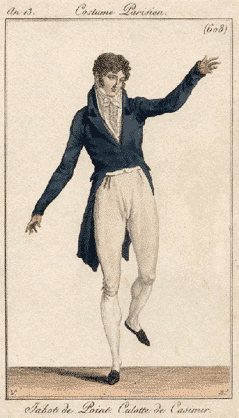
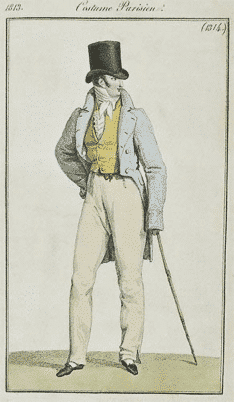

During the reign of Queen Victoria, a more restrictive formal evening dress code arose for men – White-Tie – characterised by a black tailcoat, waistcoat, trousers, and a cravat (later, a bow tie).
This dress code, remaining largely unchanged for around 150 years, is still the apex of male formality and is often worn to galas and State functions.
It can also be seen in a form more reminiscent of its early regency predecessor, worn with breeches rather than trousers, at very specific events such as some state weddings, certain diplomatic receptions, and hunt balls.
Around the turn of the 20th century the “dinner jacket” was introduced as a more relaxed alternative to the tailcoat, contemporarily worn with a black bow tie and waistcoat rather than the white ones with which it would originally have been paired.
This marked the birth of the Black-Tie dress code, which is now the most formal thing most men will wear in their lifetime.
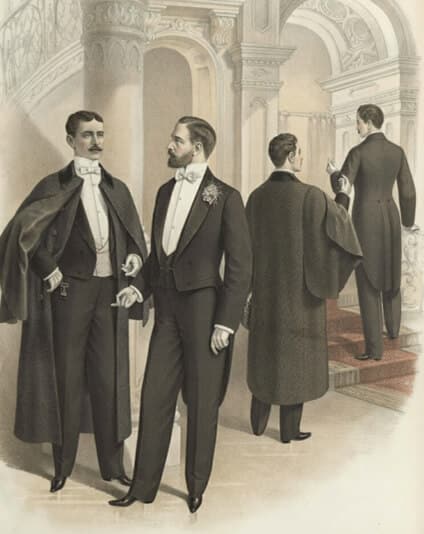
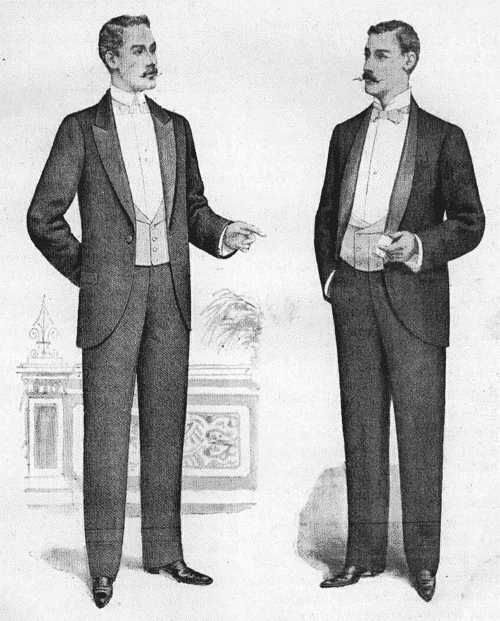
*Please note that some of the historical drawings included in this article were obtained from the internet and are believed to be in the public domain. However, we cannot guarantee the accuracy or the originality of these images and we do not claim any ownership or authorship of them. If you are the rightful owner of any of these images and would like them removed, please contact us and we will promptly comply with your request.
Central Characteristics
The Black-Tie dress code is typically associated with formal events such as weddings, dinners, and other special occasions. The Black-Tie dress code is typically characterized by a dinner suit, called a Tuxedo in America, with a formal evening shirt, a black bow tie, and shiny black leather shoes. For women, the dress code calls for a floor-length evening gown or cocktail dress.
When it comes to black tie events, it is important to remember that the dress code is meant to be formal. The dress code should be followed as closely as possible in order to look good and to show your respect to the host and to the dress code itself. Generally, any deviation from tradition will make your outfit look worse. It is also important to remember that the dress code is meant to be timeless, so it is best to avoid overly trendy or flashy clothing.
The go-to material out of which to make a dinner suit is wool barathea. It is a heavy, twill-weave fabric that is made from worsted woollen yarns. The fabric has a smooth surface and a matte finish. It is usually black in colour but can be found in a variety of different colours too. The fabric is known for its durability and resistance to wrinkling, making it an ideal choice for formal wear. As wool is a natural fibre, it is fairly breathable, making it comfortable to wear in any season.
For the gentlemen who overheat with ease, we would recommend high-twist tropical wool instead of barathea, as it is less insulating whilst retaining the resistance to wrinkles and the durability
-
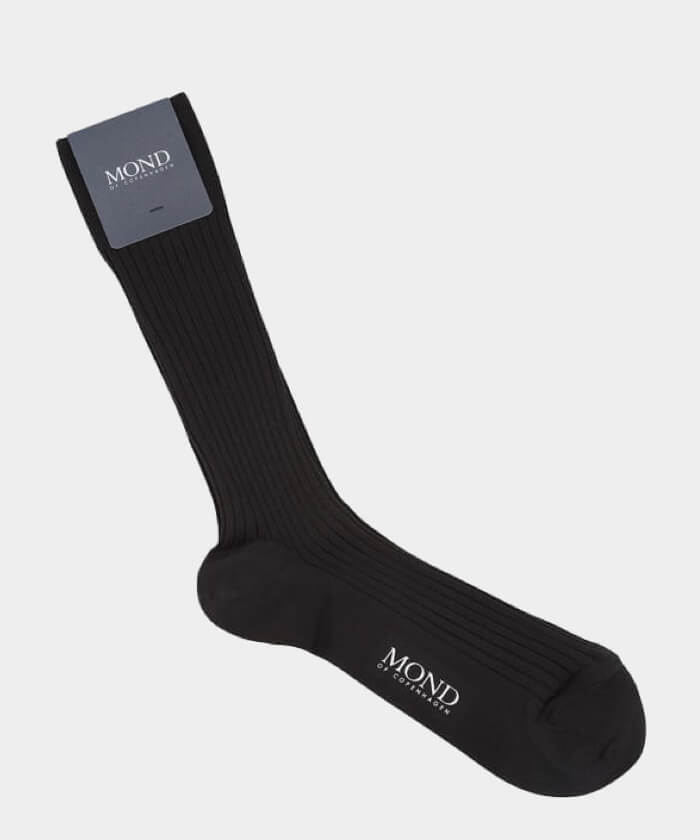 13,60 €Our Black Dress Socks are crafted from fine, pure cotton, offering a soft, breathable feel that keeps your feet comfortable throughout the day. Reinforced at the toes and heel, these socks are built to last, ensuring durability and long-term wear. Our Black Dress Socks are designed to complement a suit…
 -
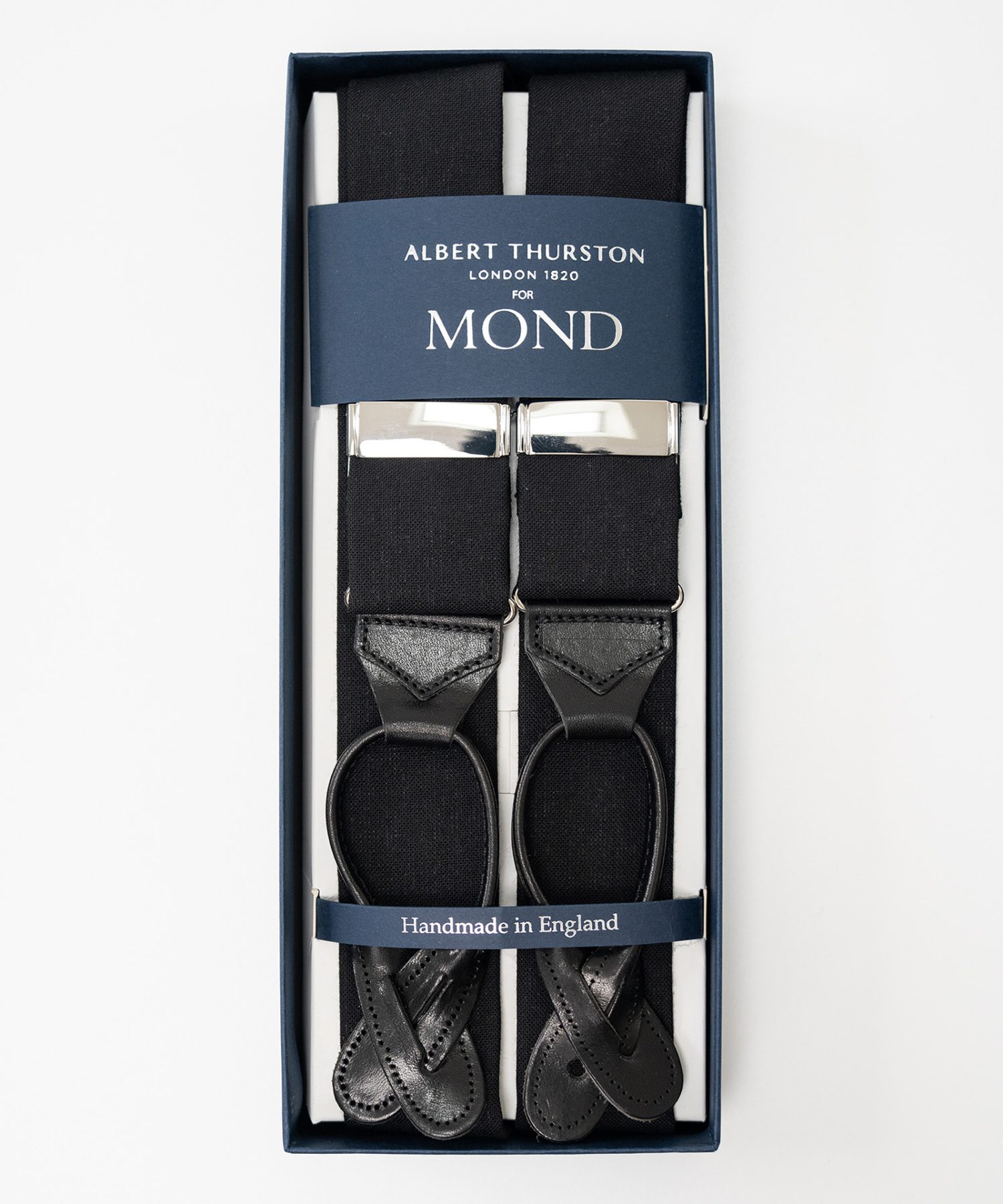 119,20 €Black Leather Braces by Albert Thurston for Mond, designed for classic suits. Expertly crafted in England with our signature TwistAir fabric. Featuring a proper fastening for suspender buttons inside your trousers, they are the ideal companion for your eveningwear. Designed in the timeless Y-shape, they offer maximum comfort throughout the…
 -
 44 €
44 €These cufflings are a great way to add a little bit of personality to your outfit. They are made from high quality materials and are perfect for adding a little bit of edge to your look.
-
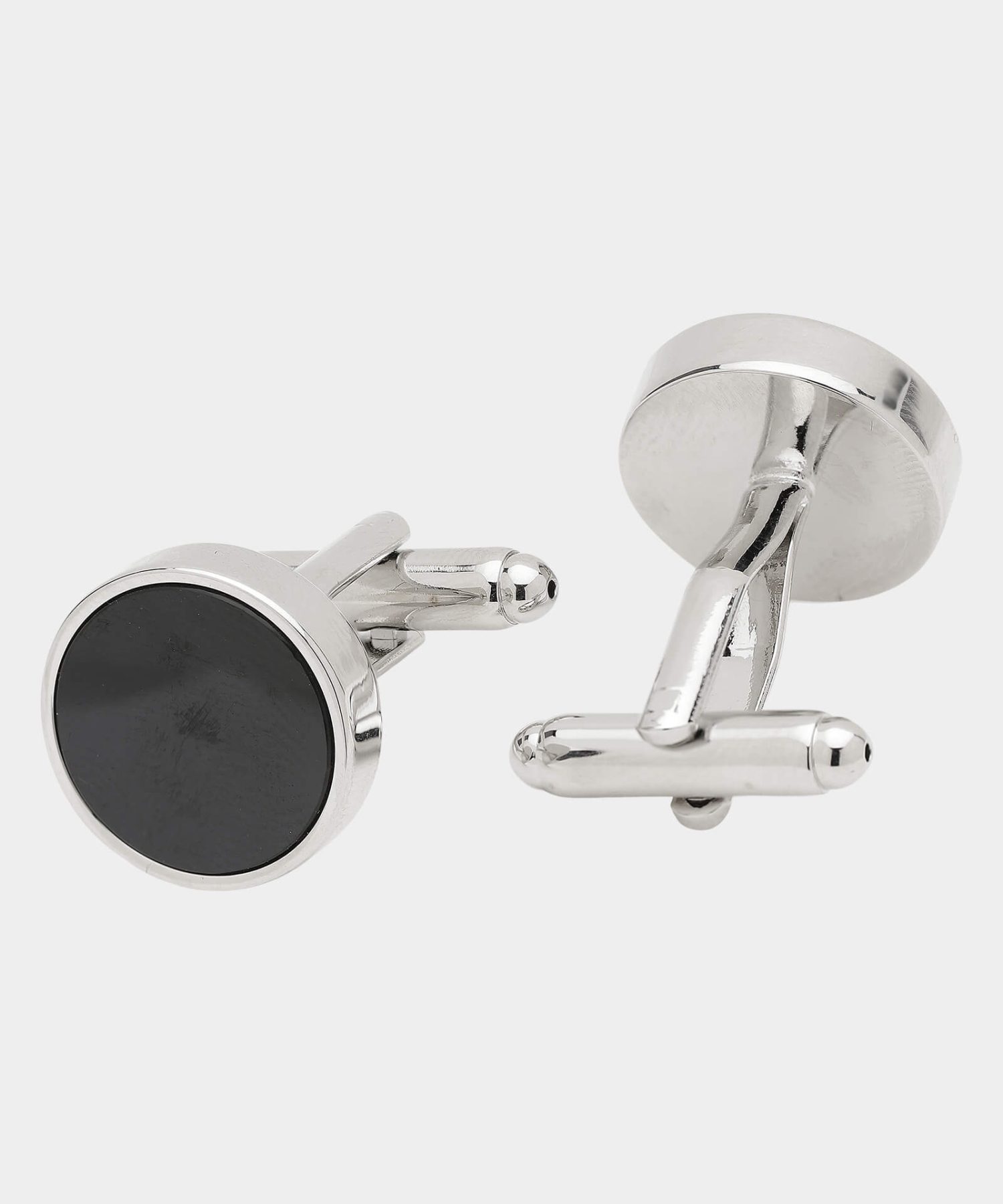 44 €
44 €These cufflinks are a beautiful black onyx and silver mix. They are a great way to add a little bit of luxury to your look.
-
-
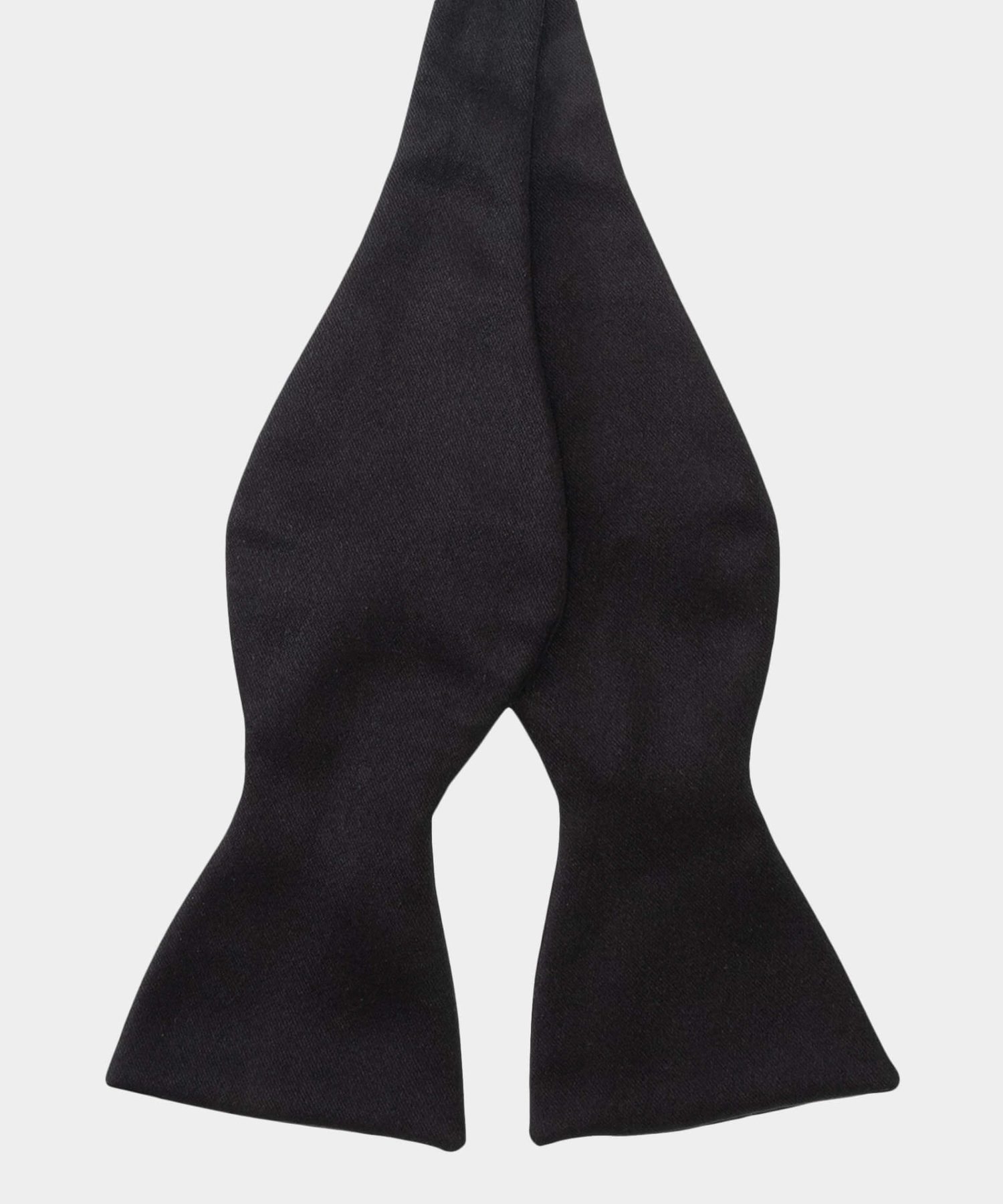 64 €
64 €Premium Black Satin self-tied Bowtie. Handmade in Italy from 100% silk. It is the perfect bow tie for a black tie occasion.


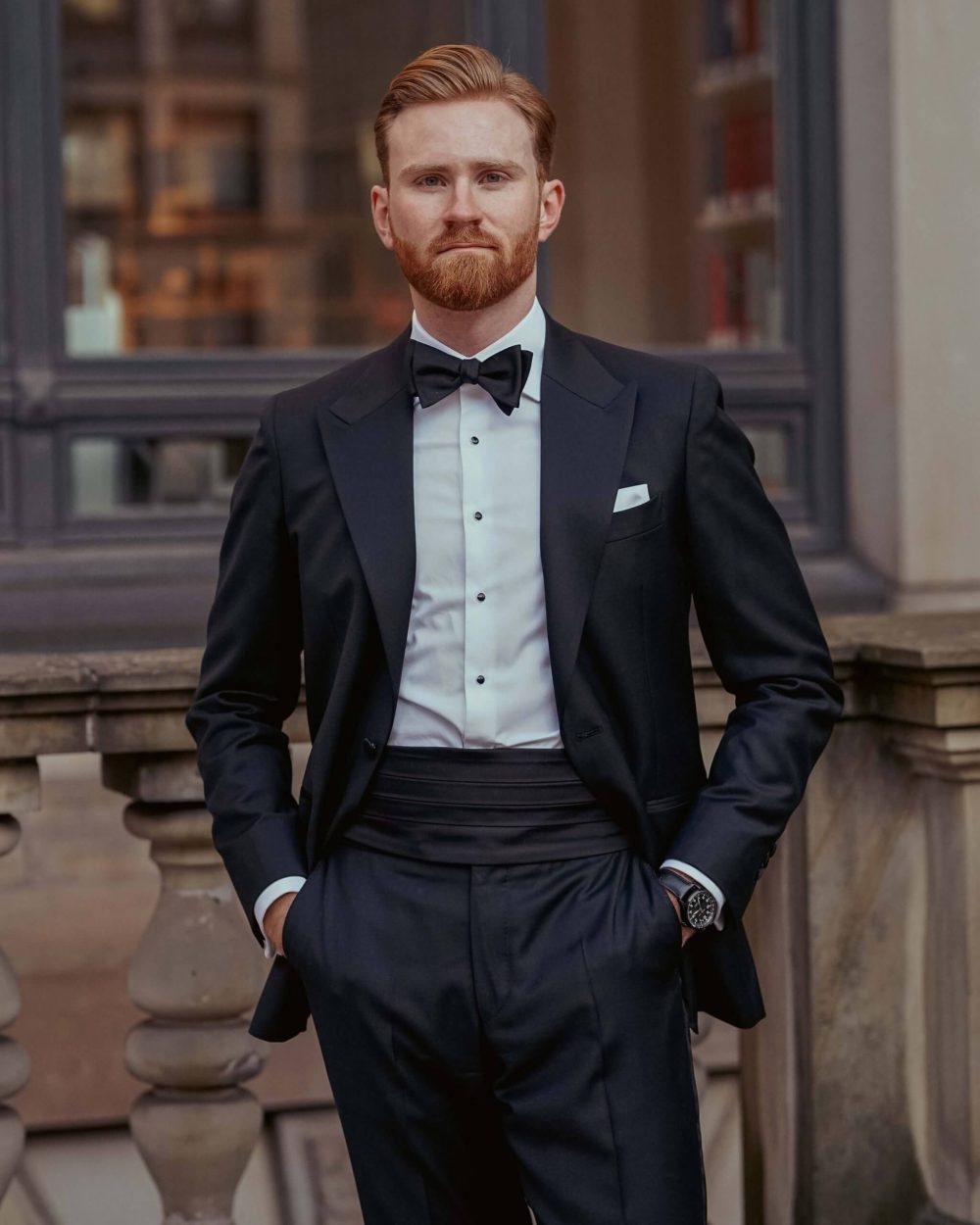
It is most traditional to wear dinner suits with a matching waistcoat, making it a three-piece. If this seems too formal, or perhaps you are worried about the extra warmth of a waistcoat, you might instead opt for a cummerbund.
The cummerbund is a sash-like waist-covering that originated in India during the 19th century. It was originally worn by British officers in the Indian Army as a part of their dress uniform. The cummerbund was adopted by the British military to help easily adapt their uniforms to the hot and humid climate of India by replacing the waistcoat.
The cummerbund eventually made its way into civilian dress around the turn of the 20th century, where it was adopted as an alternative to the waistcoat for formal occasions. It is a very flattering garment, as it gives the impression of longer legs, making the wearer appear taller and slimmer.
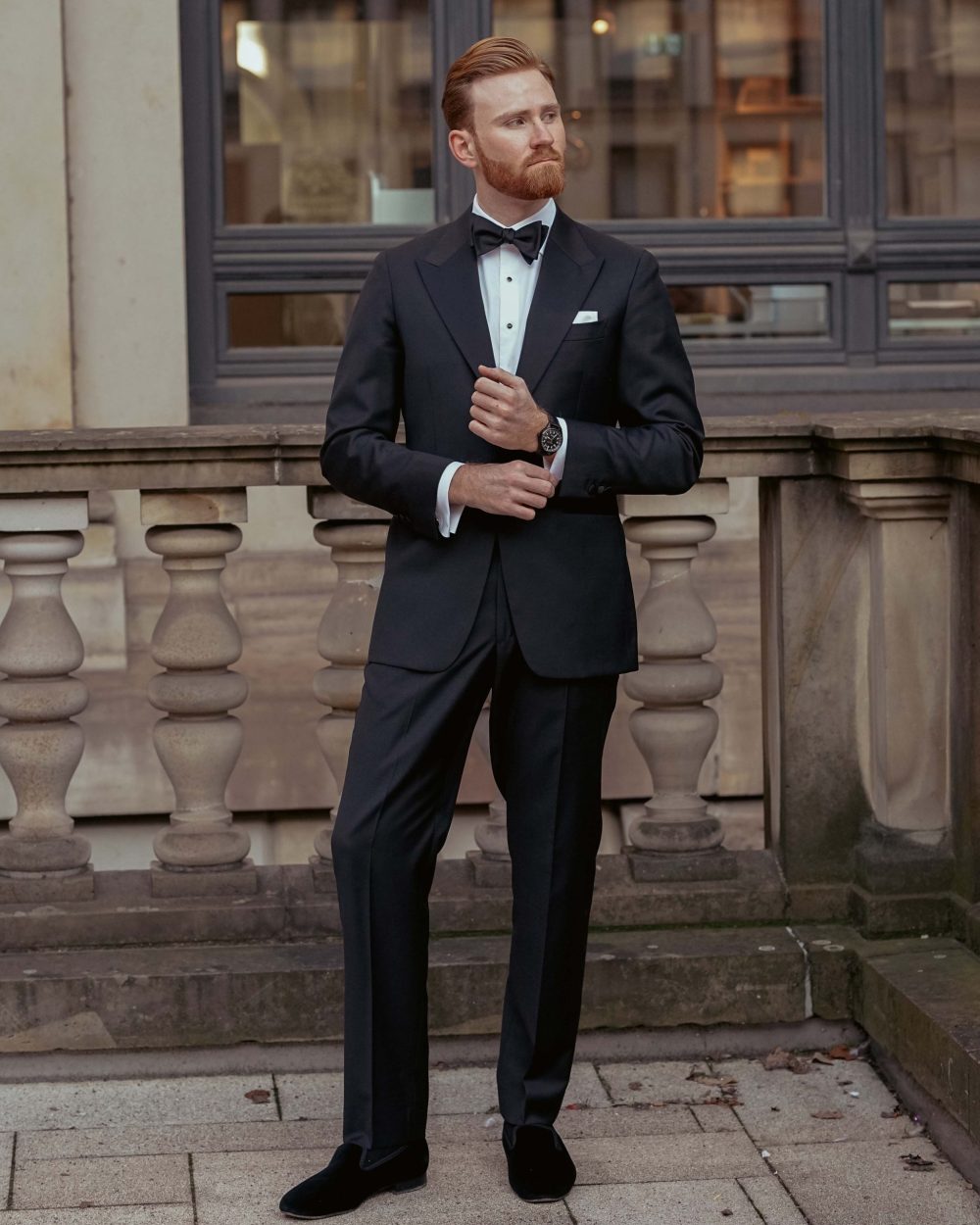
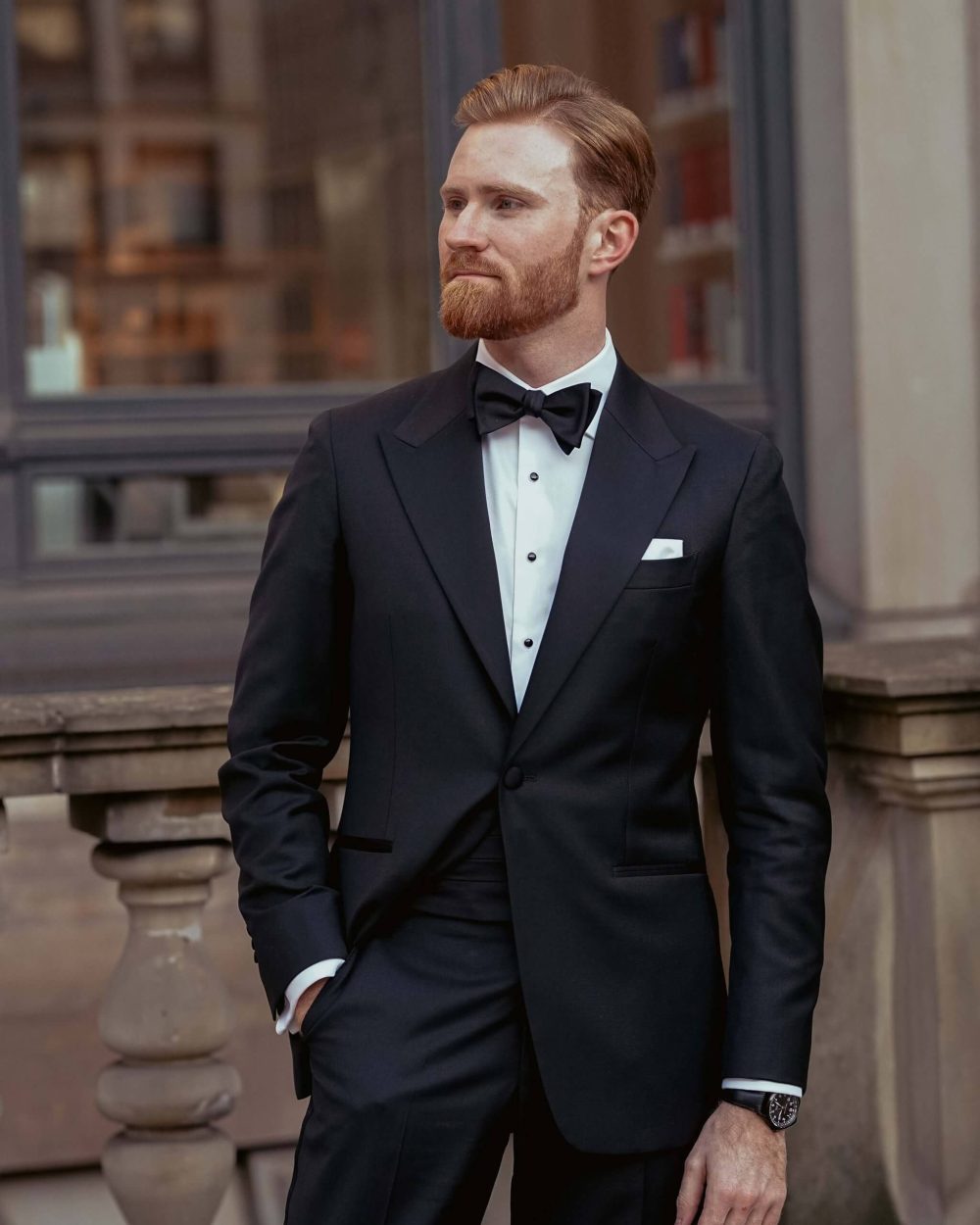
Dinner suits are styled with one button at the front, and either peak lapels or a shawl collar. These lapels are generally covered in silk, unless it is an odd dinner jacket made of a contrasting fabric to the trousers. Dinner jackets also do not historically have flaps on the pockets, or vents at the back. The trousers do not have belt loops, and they have a black silk stripe down the side to match the bow tie.
Dinner suits can also be double breasted. This would be the only instance in which it is traditionally acceptable to forgo a waist covering, such as a waistcoat or cummerbund. Although these are the traditional features, and arguably the “correct” ones, we can work outside of these parameters to suit your personal preferences.
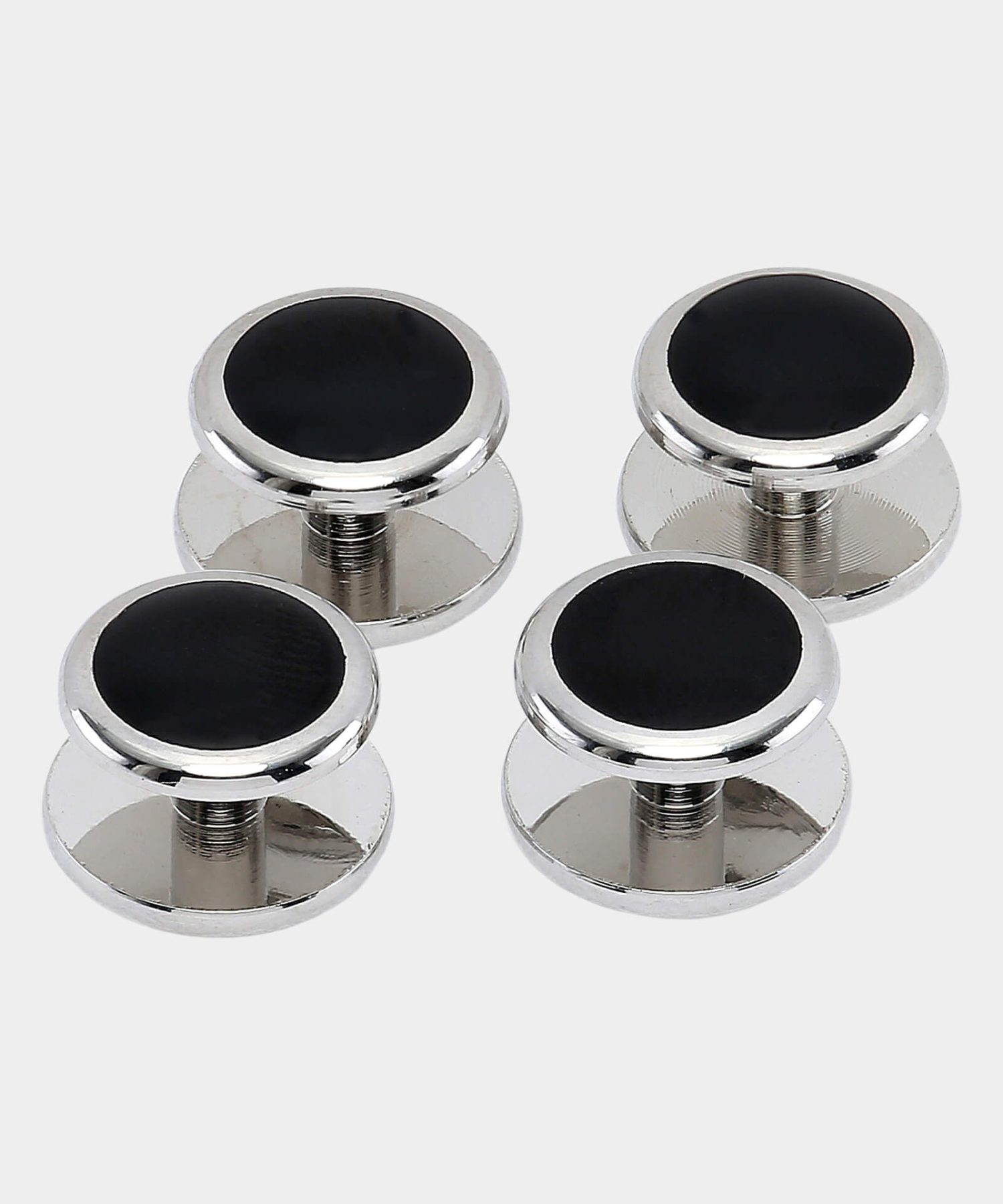
Dinner suits require a special sort of shirt, with either a stiff/marcella or pleated front, and French cuffs for cufflinks. Evening shirts also often do not have buttons at the front to allow one to accessorise with shirt studs, which we think are very stylish!
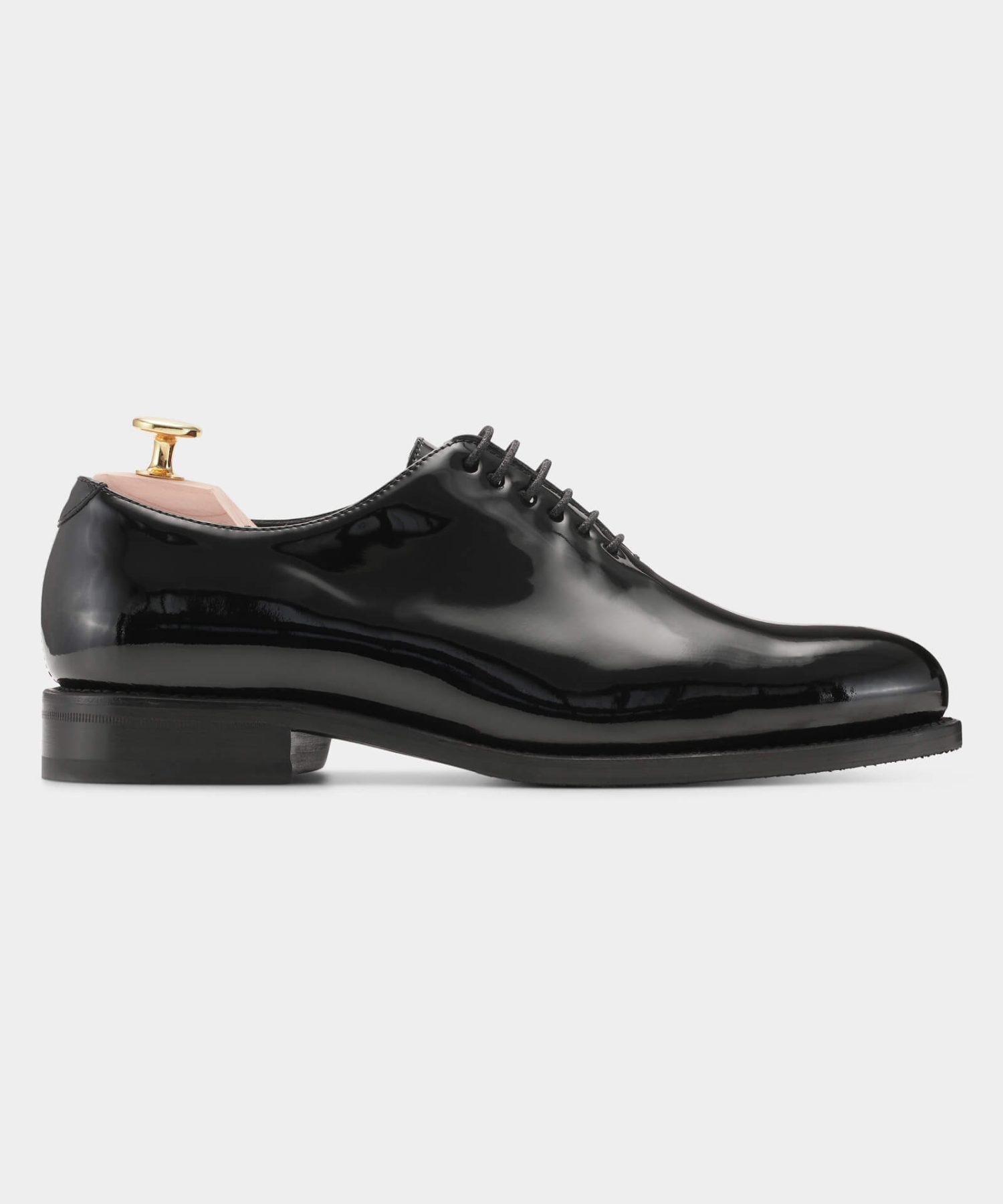
The shoes typically worn with a dinner suit are either wholecuts or opera pumps, generally in patent leather. Opera pumps are often viewed as an anachronism, but wholecuts are anything but anachronistic, and will be sure to elevate any formal evening ensemble. Black socks are a must for a Black-Tie ensemble, as they create a seamless transition from your shoes to your trousers.

-
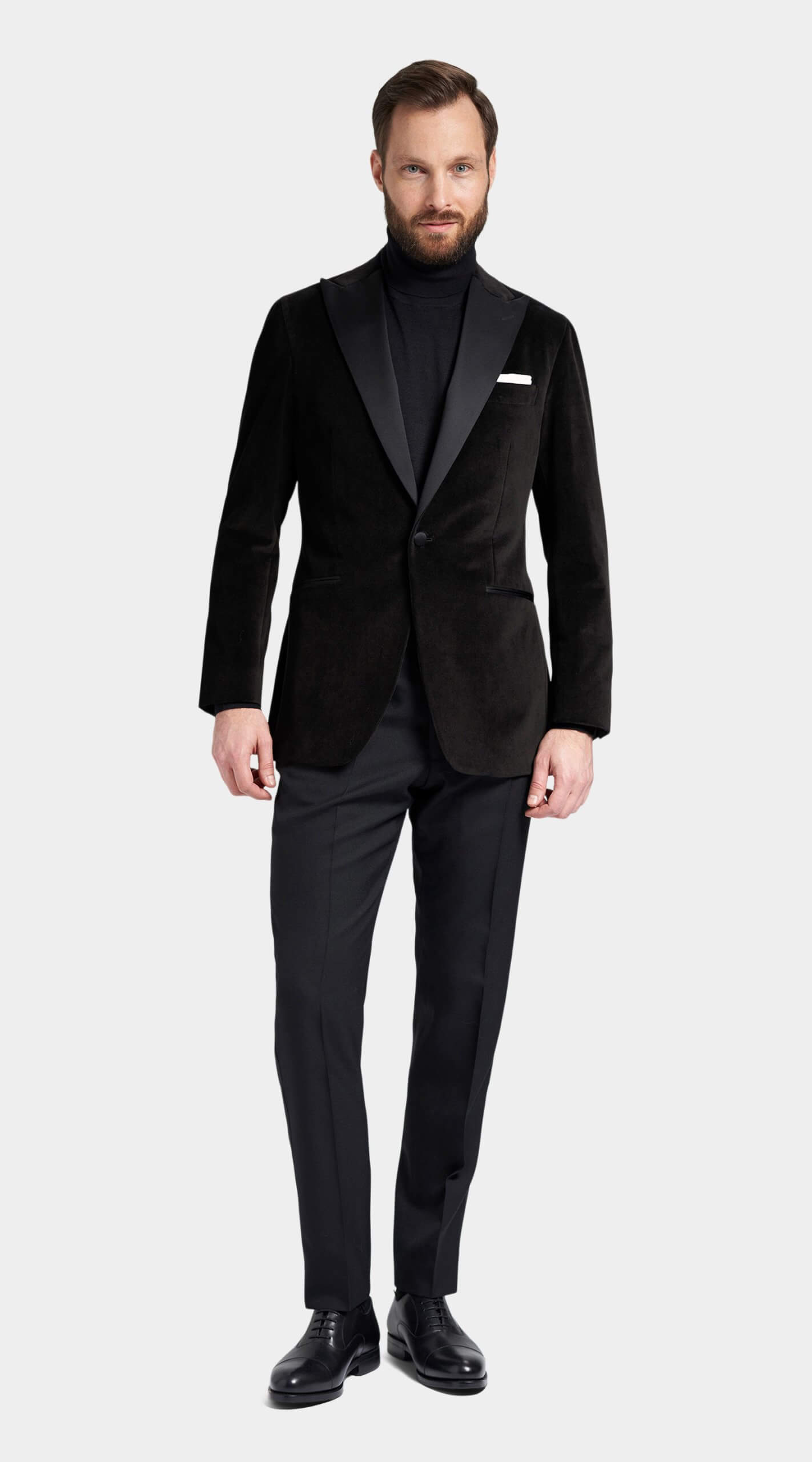 455,20 €
This custom-tailored black velvet smoking jacket is the perfect addition to any wardrobe. Crafted from luxurious cotton velvet, this jacket is sure to make a statement. The soft texture of the black velvet is timeless and versatile, allowing you to dress it up for any occasion.
-
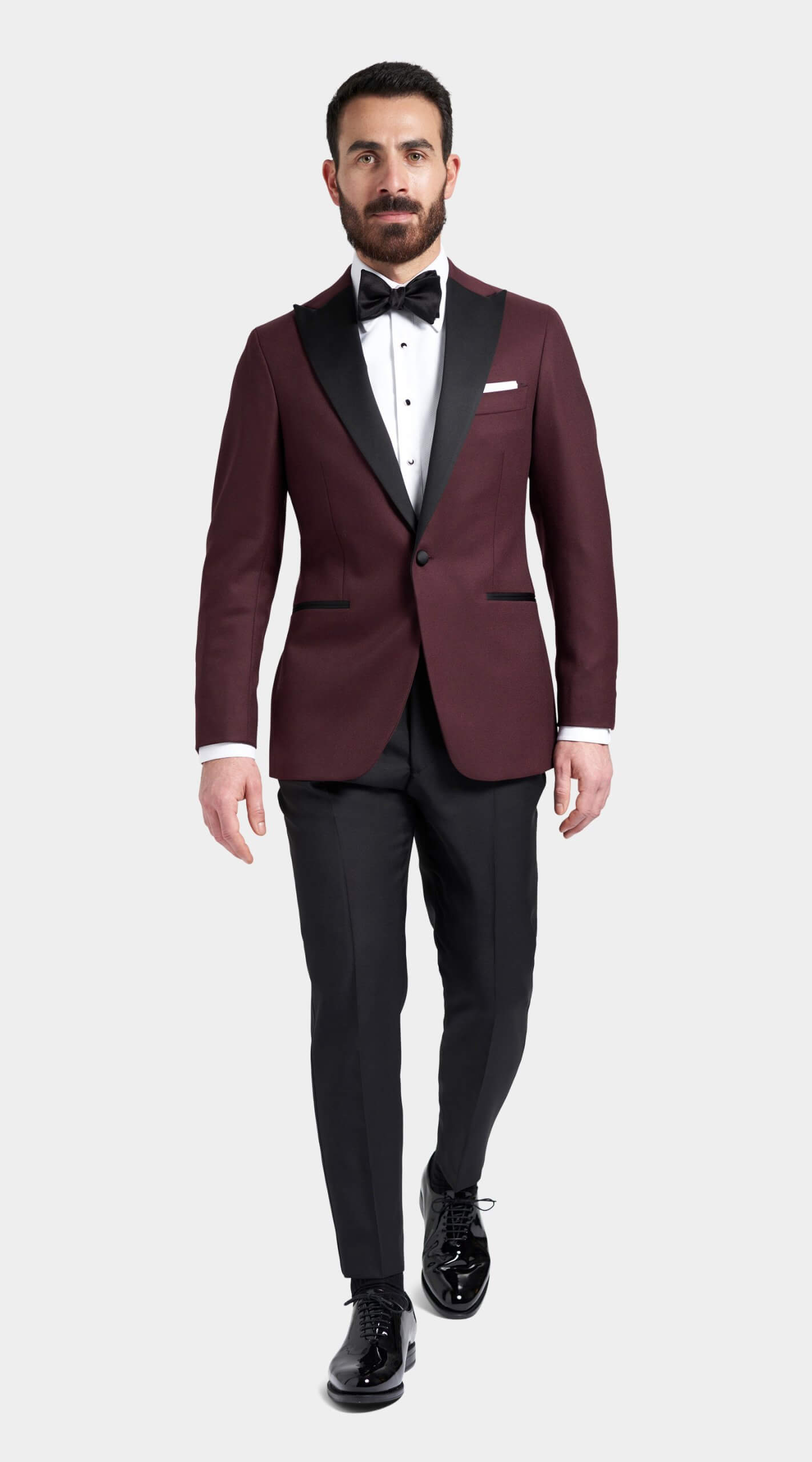 551,20 €
The Maroon Barathea Dinner Jacket. Crafted with the finest materials and tailored to perfection, this tuxedo ensures you look your absolute best.
-
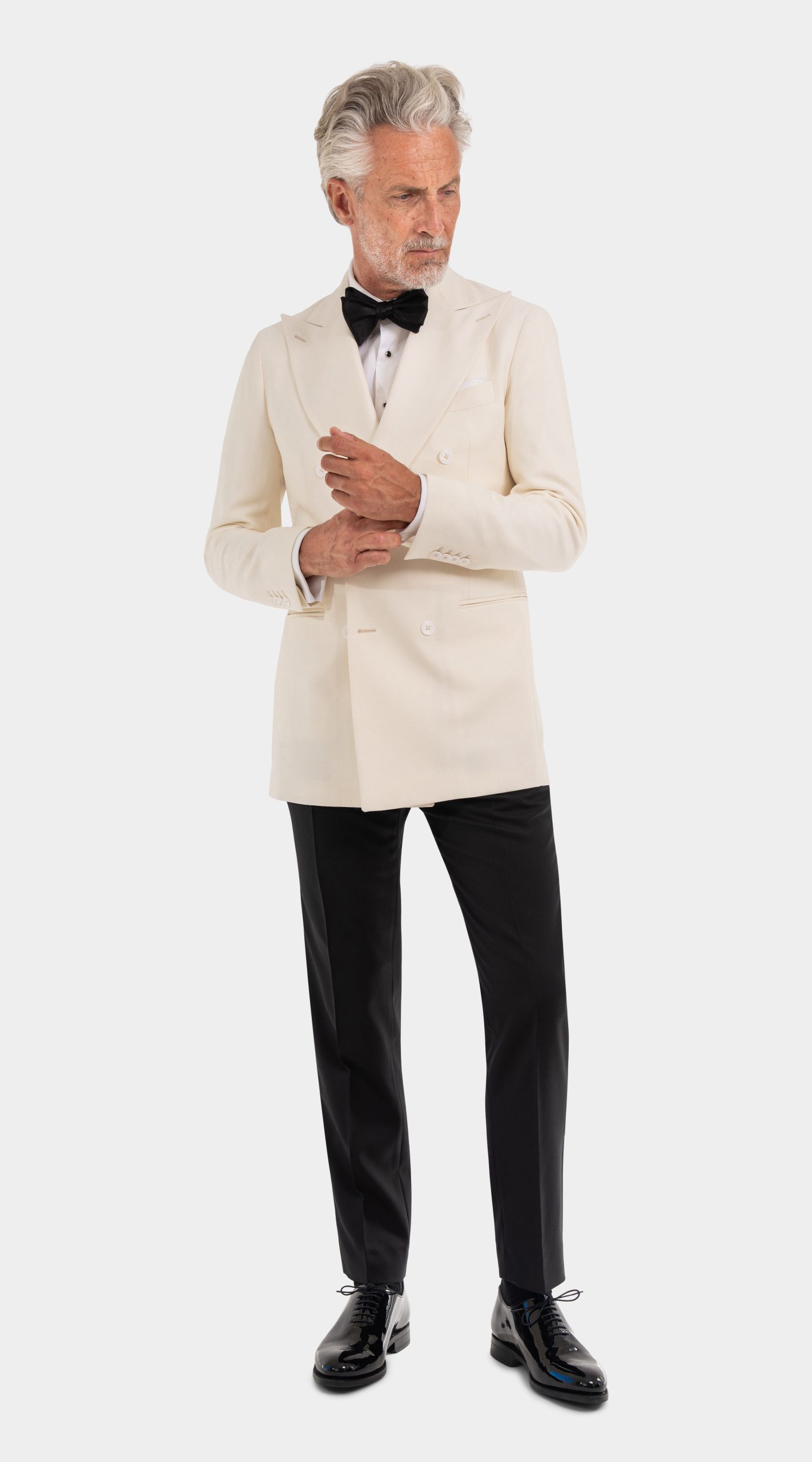 583,20 €
This custom tailored white 4-ply wool dinner jacket is the perfect addition to any wardrobe. Crafted from a 4-ply italian wool with a fantastic drape, this jacket features a classic plain design that is sure to make a statement. With its tailored fit, this jacket is sure to provide a comfortable and stylish look that will last for years to come. Whether you're attending a formal event or just looking to add a touch of sophistication to your everyday look, this white dinner jacket is the perfect choice.
-
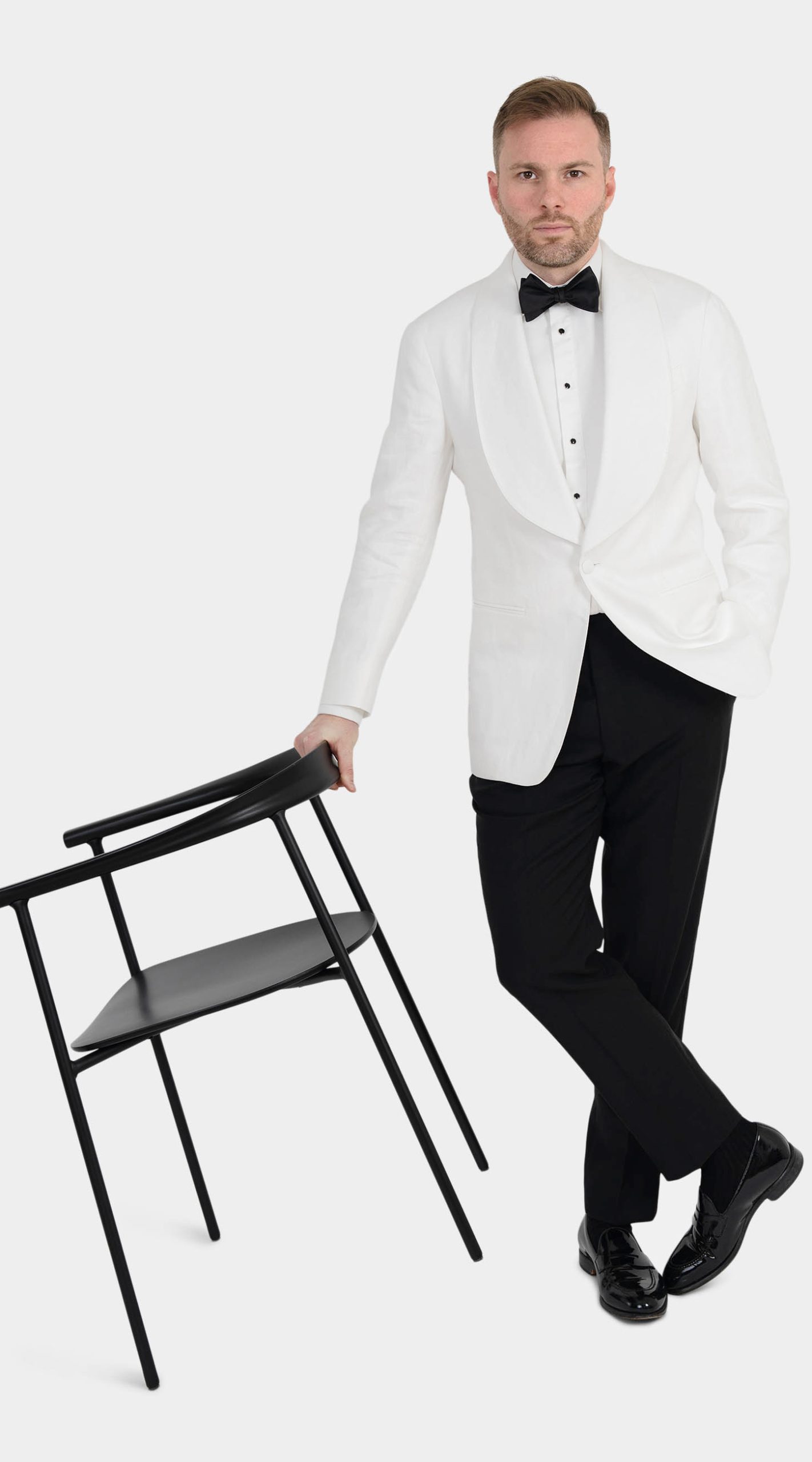 495,20 €
This custom tailored white linen dinner jacket is the perfect addition to any wardrobe. Crafted from a luxurious Irish linen fabric, this jacket features a classic plain design that is sure to make a statement. With its tailored fit, this jacket is sure to provide a comfortable and stylish look that will last for years to come. Whether you're attending a formal event or just looking to add a touch of sophistication to your everyday look, this white dinner jacket is the perfect choice.


If you want to delve deeper into the subject of the black tie dress code and the dinner suit, watch this video where we cover everything from the characteristics, design elements, fabrics, colors, history, rules, and more.

When should you buy a smoking?
Purchasing a smoking jacket, or more commonly known as a tuxedo in the United States, is a good investment if you plan to attend formal events where such attire is considered part of the proper dress code. Such events can include, but aren’t limited to, formal dinners, gallas, weddings, balls and operas.
Does black tie mean smoking?
‘Black tie’ is an umbrella term for dark-colored formalwear attires, excluding ‘white-tie’, which is even more formal. Black-tie typically requires a smoking (tuxedo), which includes specific elements such as a black dinner jacket (usually with satin or grosgrain lapels), black trousers with a stripe of the same fabric down the leg, a formal white shirt, a black bow tie, and often a cummerbund or waistcoat.
What's the difference between black-tie and white-tie dress codes?
White-tie attire is considered more formal than black-tie and is typically reserved for the most formal events like state dinners and formal balls. The attire includes a black tailcoat with silk peak lapels over a white waistcoat, a white bow tie, and a stiff-fronted shirt with a winged collar. The outfit features high-waisted black trousers with a fabric stripe matching the lapels and is traditionally worn with braces. Black patent leather shoes complete this formal ensemble.
Can I wear a normal suit to a black-tie event?
A suit is not considered appropriate for black-tie events. Black-tie has its own dress codes, not to be mixed up with that of the ‘dark suit’ dresscode. The overall look is distinctly different from a regular dark suit, which is more suited to business or less formal social events.